Kidney Stones: Symptoms, Causes, Treatment & Prevention
Kidney stones are one of the most common urological problems affecting people of all age groups. They can cause severe pain and discomfort when left untreated. Early diagnosis and proper treatment are important to prevent complications such as urinary blockage, infection, and kidney damage.
Understanding the symptoms and causes of kidney stones can help patients seek timely medical care.
What Are Kidney Stones?
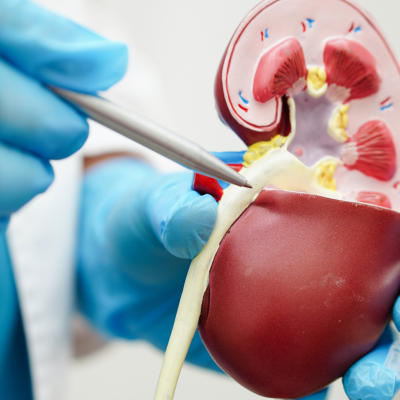
Kidney stones are hard deposits made of minerals and salts that form inside the kidneys. These stones can vary in size and may move through the urinary tract, causing pain and difficulty in urination.
Some kidney stones are as small as grains of sand, while others may become large enough to block urine flow.
Common Symptoms of Kidney Stones
1. Severe Back or Side Pain
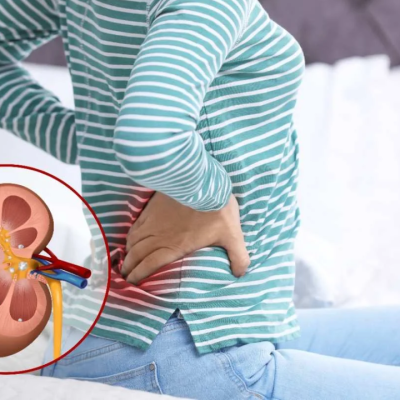
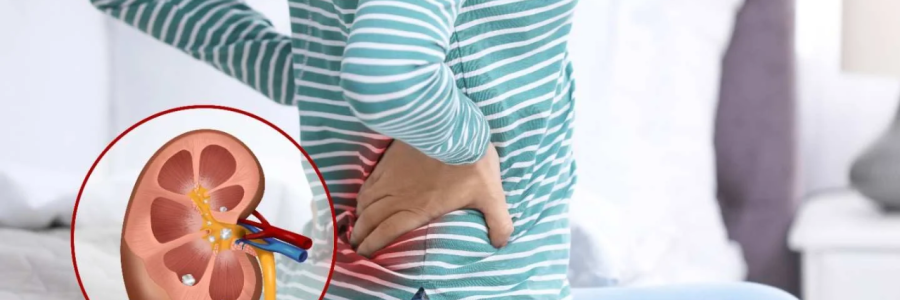
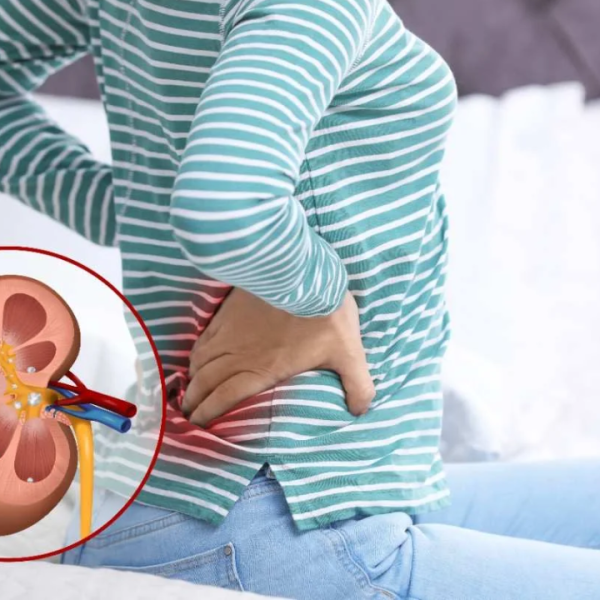
Sharp pain in the lower back, side, or abdomen is one of the most common symptoms of kidney stones. The pain may come in waves and become intense suddenly.
2. Pain During Urination
Burning sensation or discomfort while passing urine may occur when the stone moves into the urinary tract.
3. Blood in Urine
Urine may appear pink, red, or brown due to bleeding caused by irritation from the stone.
4. Frequent Urination
Patients may feel the urge to urinate repeatedly, even when little urine passes.
5. Cloudy or Foul-Smelling Urine
Infection associated with kidney stones may cause cloudy urine or a strong urine odor.
6. Nausea and Vomiting
Severe kidney stone pain may trigger nausea and vomiting in some patients.
7. Difficulty Passing Urine
Larger stones can block urine flow and cause painful or reduced urination.
CAUSES OF KIDNEY STONES:
Several factors can increase the risk of developing kidney stones, including:
- Low water intake
- High salt diet
- Excessive consumption of animal protein
- Obesity
- Family history of kidney stones
- Recurrent urinary tract infections
- Certain metabolic disorders
TYPES OF KIDNEY STONES
1.Calcium Stones
These are the most common type of kidney stones.
2.Uric Acid Stones
Often associated with dehydration and high-protein diets.
3. Struvite Stones
Usually linked to urinary tract infections.
4. Cystine Stones
Rare stones caused by inherited conditions.
DIAGNOSIS OF KIDNEY STONES
A urologist may recommend several tests to confirm kidney stones, including:
- Ultrasound
- CT Scan
- X-ray
- Urine examination
- Blood tests
These tests help determine the size, location, and type of stone.
TREATMENT OPTIONS FOR KIDNEY STONES
Treatment depends on the size and location of the stone.
1. Medications
Small stones may pass naturally with medications, hydration, and pain management.
2. Laser Stone Removal
Advanced laser procedures help break and remove stones effectively with minimal discomfort.
3. URS (Ureteroscopy)
A minimally invasive procedure used to remove stones from the ureter.
4. PCNL Surgery
Recommended for larger kidney stones.
5. ESWL (Shockwave Therapy)
Shockwaves are used to break stones into smaller fragments for easier passage.
TIPS TO PREVENT KIDNEY STONES
- Drink plenty of water daily
- Reduce salt intake
- Avoid excessive soft drinks
- Maintain a balanced diet
- Exercise regularly
- Do not ignore urinary symptoms
When Should You Consult a Urologist?
You should seek immediate medical care if you experience:
- Severe back or abdominal pain
- Blood in urine
- Fever with urinary symptoms
- Difficulty passing urine
- Recurrent kidney stone episodes
Early treatment can prevent complications and protect kidney function.
Expert Kidney Stone Treatment in Bhubaneswar
If you are experiencing symptoms of kidney stones, timely consultation with a urology specialist is important. Dr. Jyoti Mohantosh provides advanced diagnosis and modern kidney stone treatment options in Bhubaneswar.
Personalized care and minimally invasive treatment approaches help patients recover faster and return to normal life comfortably.
Book your consultation today for expert urology care.